
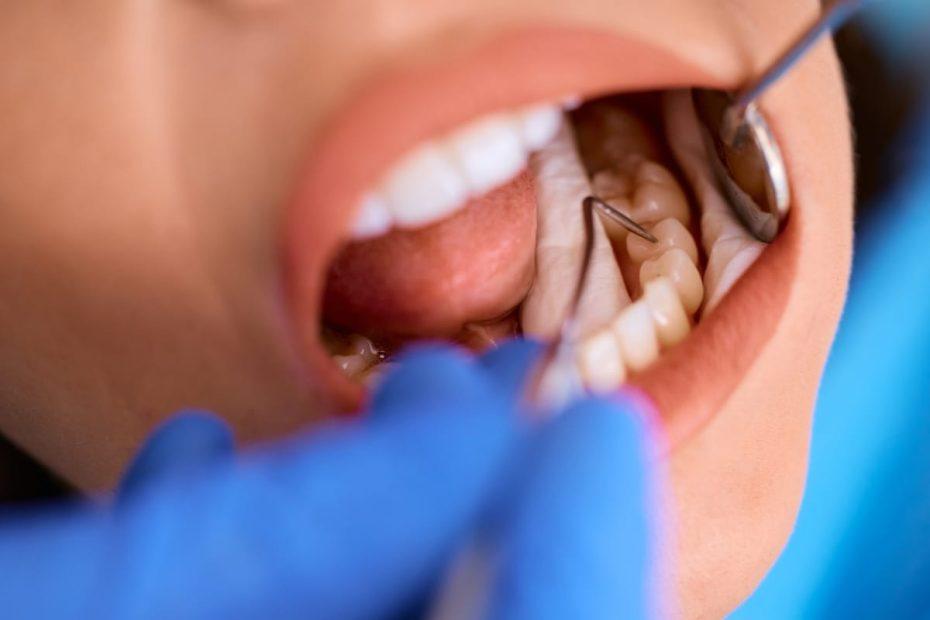
If your dentist has recommended gum disease treatment, it is completely normal to feel uncertain about what comes next. Understanding what happens during gum disease treatment — a step-by-step walkthrough Brantford patients can rely on — helps ease that anxiety. At Clarence Street Dental, Dr. Lee Ferrao and our team guide you through every stage with care and transparency. This article breaks down the entire process so you know exactly what to expect.
Step One: Comprehensive Periodontal Assessment in Brantford
Every gum disease treatment journey begins with a thorough assessment. Dr. Ferrao and our hygienists examine your gum tissue carefully. They use a small probe to measure the depth of the pockets between your teeth and gums. These measurements tell us how advanced the gum disease is.
We also review your dental X-rays during this step. X-rays help us see bone levels beneath the gumline. Bone loss is a common sign of more advanced periodontal disease. This full picture helps us create a treatment plan that fits your exact needs.
Our team at Clarence Street Dental understands this part can feel uncomfortable. We explain each measurement as we go. You are never left wondering what we are finding. Open communication is something we prioritize from the very first appointment.
Step Two: Scaling and Root Planing — What Patients Actually Feel
Scaling and root planing is the most common non-surgical gum disease treatment. It goes deeper than a regular cleaning. This procedure removes hardened tartar and bacterial buildup from below the gumline. It also smooths the root surfaces so gum tissue can reattach.
We apply a local anesthetic before starting. Most patients feel pressure but not pain. Some sensitivity is normal during and after the procedure. Our team checks in with you throughout to make sure you remain comfortable.
Depending on the severity, we may treat one section of your mouth per visit. This approach is gentler and allows for healing between appointments. Patients often tell us the procedure was far less uncomfortable than they anticipated. Knowing what to expect makes a real difference.
Here is what scaling and root planing typically involves:
- Numbing the treatment area with local anesthetic
- Removing tartar deposits above and below the gumline
- Smoothing rough patches on tooth root surfaces
- Flushing the pocket with an antimicrobial rinse
- Scheduling a follow-up to assess healing progress
How We Keep You Comfortable Throughout Gum Disease Treatment
Comfort is a core part of how we approach periodontal care. We offer sedation dentistry for patients who feel anxious about dental procedures. Sedation helps you stay relaxed without being fully unconscious. It is a safe and widely used option for longer treatments like deep cleanings.
Our team moves at a pace that works for you. If you need a break, you simply let us know. We use warm, caring language throughout every appointment. No one at Clarence Street Dental rushes you or dismisses your concerns.
We also offer tips to manage sensitivity after your appointment. Over-the-counter pain relievers and a soft-bristle toothbrush help during recovery. Avoiding very hot or cold foods for a day or two also helps. Most patients return to normal routines the same day.
Benefits of choosing a comfortable, patient-centred approach include:
- Reduced anxiety before and during treatment
- Better cooperation, which leads to more thorough results
- Faster recovery due to lower stress levels
- A more positive association with future dental visits
- Greater likelihood of maintaining follow-up appointments
Step Three: Follow-Up Care and Periodontal Maintenance in Brantford
Gum disease treatment does not end after scaling and root planing. Follow-up care is equally important. Dr. Ferrao schedules a re-evaluation appointment four to six weeks after your deep cleaning. This visit allows us to measure how well your gums have responded.
At the re-evaluation, we check pocket depths again. Healthy gums typically show reduced pocket measurements. We also look for any areas that need additional attention. If the disease has not fully resolved, additional treatment options may be discussed.
Ongoing periodontal maintenance cleanings are then recommended every three to four months. These visits are more frequent than standard checkups. They help prevent gum disease from returning. Consistency at this stage protects everything you have worked to achieve.
We also provide personalized home care instructions. Proper brushing technique, flossing habits, and the right oral rinse all matter. Small adjustments at home have a big impact over time. Our hygienists are always happy to demonstrate techniques during your visits.
What Happens If Gum Disease Is More Advanced?
In some cases, non-surgical treatment alone is not enough. If pockets remain deep after scaling and root planing, Dr. Ferrao may refer you to a periodontist. This specialist handles surgical options like gum grafts or osseous surgery. We coordinate that referral to ensure continuity of your care.
Advanced gum disease can affect the whole family. We also offer Pediatric Dentistry Brantford services to help younger patients develop strong gum health habits early. Prevention is always the best strategy. Teaching kids proper gum care sets them up for a lifetime of healthy smiles.
Beyond gum health, many patients also ask about smile improvements after treatment. Once your gums are healthy, options like the Invisalign Smile Event Brantford become available to you. Straight teeth are also easier to keep clean. Healthy gums are the foundation for any cosmetic dental goal.
Conclusion: Taking the First Step Toward Healthier Gums
Understanding the full process removes a lot of the fear around gum disease treatment. From your initial assessment to ongoing maintenance, every step has a clear purpose. Dr. Lee Ferrao and the team at Clarence Street Dental are here to walk alongside you. You are never alone in this process.
Gum disease is common, but it is also highly treatable when caught and addressed early. Brantford patients deserve access to thorough, compassionate periodontal care. We make that care approachable, comfortable, and effective. Your gum health directly impacts your overall health — it is worth taking seriously.
If you have noticed bleeding gums, persistent bad breath, or gum recession, do not wait. Early treatment leads to better outcomes and less time in the chair. Our team is ready to answer your questions and create a personalized plan. Book Now to schedule your appointment with our team.
Frequently Asked Questions
Is gum disease treatment painful?
Most patients experience minimal discomfort during gum disease treatment. We use local anesthetic to numb the treatment area before scaling and root planing. Some tenderness after the procedure is normal and usually resolves within a few days. Over-the-counter pain relievers and a soft-bristle toothbrush help manage post-treatment sensitivity.
How long does scaling and root planing take?
The length of the procedure depends on how much of the mouth needs treatment. We often divide the mouth into sections and treat one or two per visit. Each session typically takes between 45 minutes and 90 minutes. Your Clarence Street Dental hygienist will give you a more specific estimate during your assessment.
How many visits does gum disease treatment require?
Most patients need two to four visits for the deep cleaning phase. A follow-up re-evaluation is scheduled four to six weeks afterward. Ongoing periodontal maintenance visits are then recommended every three to four months. The exact number of visits depends on the severity of your gum disease.
Can gum disease come back after treatment?
Yes, gum disease can return without proper maintenance. That is why regular periodontal maintenance cleanings and strong home care habits are so important. Brushing twice daily, flossing, and using a recommended rinse all help prevent recurrence. Sticking to your follow-up schedule at Clarence Street Dental is the best way to protect your results.
At what stage should I seek gum disease treatment in Brantford?
You should seek treatment as soon as you notice warning signs. Common signs include red or swollen gums, bleeding when brushing, persistent bad breath, or teeth that feel loose. The earlier gum disease is treated, the less invasive the treatment needs to be. Dr. Lee Ferrao recommends addressing any concerns at your very next dental visit.