
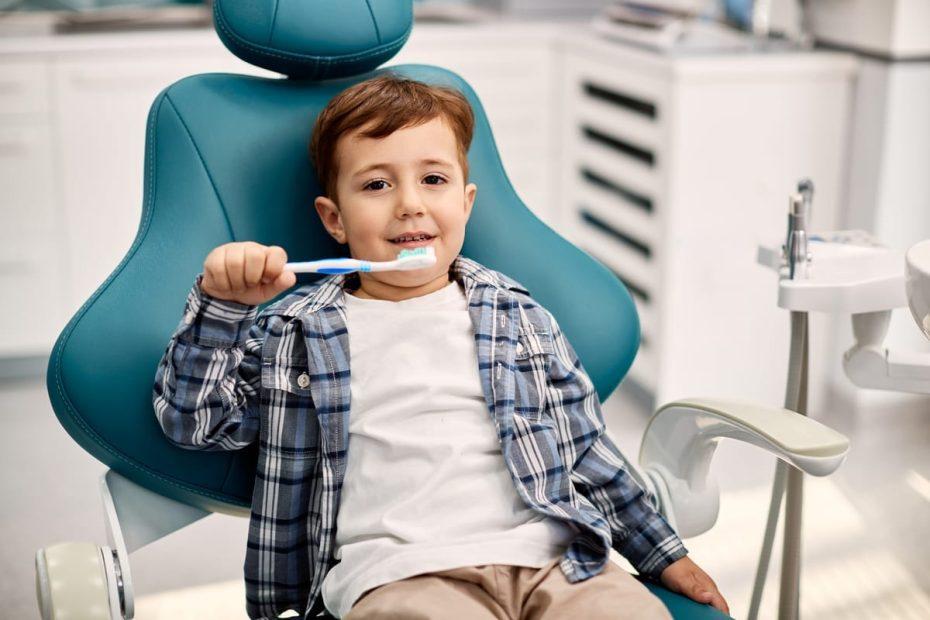
Every parent wants to protect their child’s smile. This age-by-age prevention guide helps Brantford families stop cavities before they start. From the very first tooth to the teenage years, the right habits make all the difference. Dr. Lee Ferrao and the team at Clarence Street Dental are here to guide you every step of the way.
Tooth decay is one of the most common childhood conditions in Canada. The good news is that cavities are almost entirely preventable. With the right tools, routines, and professional support, your child can grow up with a healthy, confident smile.
Why Cavity Prevention Starts Earlier Than You Think
Many parents assume baby teeth do not matter much. After all, they fall out eventually. However, cavities in baby teeth can cause pain, infection, and spacing problems for adult teeth. Healthy primary teeth are essential for chewing, speech, and jaw development.
Decay-causing bacteria can transfer from parent to child through shared spoons or kisses. This means cavity prevention actually begins before your baby cuts their first tooth. Wiping your infant’s gums with a damp cloth after feeds removes harmful sugars and bacteria. This simple habit builds the foundation for lifelong oral health.
Our Pediatric Handouts Brantford resource offers helpful guides tailored to each stage of your child’s dental development. Print them off and keep them handy at home.
Age-by-Age Brushing Techniques for Brantford Kids
Brushing technique matters at every stage. Here is how to adapt your approach as your child grows.
- 0–2 years: Use a soft infant toothbrush and a rice-grain-sized smear of fluoride toothpaste. A parent should do all the brushing.
- 2–5 years: Increase toothpaste to a pea-sized amount. Brush twice daily for two full minutes. Parents should still supervise and assist closely.
- 6–8 years: Children can begin brushing independently, but parents should check and finish the job. Motor skills are still developing at this age.
- 9–12 years: Encourage independence while still monitoring technique. Introduce flossing as soon as two teeth touch.
- 13 and up: Teens need reminders more than help. Use an electric toothbrush if motivation is low. Watch for skipped sessions.
Always brush in small, circular motions along the gumline. Angle the brush at 45 degrees toward the gums. Replace toothbrushes every three months or after illness.
Diet Choices That Protect Little Teeth
What your child eats has a massive impact on cavity risk. Sugary and starchy foods feed the bacteria that produce tooth-damaging acid. Limiting these foods is one of the most powerful things a parent can do.
Frequency matters just as much as quantity. Sipping juice or snacking on crackers throughout the day keeps acid levels high for hours. Encourage set meal and snack times rather than constant grazing. Water is always the best drink between meals.
These food habits support strong, healthy teeth:
- Choose water or plain milk over juice, sports drinks, or pop
- Offer crunchy vegetables like carrots and celery as snacks
- Limit sticky foods like gummy bears, dried fruit, and caramel
- Serve sweet treats with meals rather than as standalone snacks
- Rinse with water after eating when brushing is not possible
Cheese, yogurt, and leafy greens are rich in calcium. These foods actively strengthen tooth enamel. Building meals around whole foods gives your child’s teeth a natural advantage.
Fluoride and Dental Sealants: Your Best Prevention Tools
Fluoride is one of the most effective cavity-prevention tools available. It remineralizes enamel and makes teeth more resistant to acid attacks. Most Brantford families get fluoride through toothpaste and professional treatments at dental visits.
Fluoride varnish is applied quickly and painlessly at your child’s checkup. Dr. Ferrao recommends it for children of all ages. It is especially important for kids with a history of cavities or high sugar intake. Professional fluoride is much more concentrated than toothpaste and provides extended protection.
Dental sealants offer another powerful layer of defence. They are thin plastic coatings painted onto the chewing surfaces of back teeth. Sealants seal out food and bacteria from the deep grooves where cavities most commonly form. They are typically applied when the first permanent molars come in, around age six.
Sealants are quick, painless, and extremely cost-effective. Studies show they reduce cavity risk in molars by up to 80 percent. Ask Dr. Ferrao whether your child is a good candidate at your next visit.
When to Worry and When to Visit Us in Brantford
Some signs of dental trouble are easy to miss in children. Toothaches may be brushed off as growing pains. Sensitivity to cold or sweet foods often points to early decay. Visible white spots on teeth are among the first signs of enamel erosion.
Any brown or black discolouration on a tooth surface deserves prompt attention. Swollen gums, facial swelling, or a child who refuses to eat may signal a more serious infection. Do not wait for a scheduled appointment if you notice these symptoms. Clarence Street Dental offers emergency dentistry for Brantford families who need urgent care.
Here is a quick guide to how often children should visit the dentist:
- First visit: By age one or within six months of the first tooth erupting
- Ongoing visits: Every six months for checkups and cleanings
- Additional visits: Anytime you notice pain, sensitivity, or visible changes
Regular checkups allow Dr. Ferrao to catch early decay before it becomes a larger problem. X-rays taken during these visits reveal cavities forming between teeth that are invisible to the naked eye. Staying on schedule is the best long-term strategy.
If your family is also curious about orthodontic care as your child grows, our Invisalign Smile Event Brantford is a great opportunity to explore alignment options in a relaxed, no-pressure setting.
Building Healthy Habits That Last a Lifetime
Consistency is the most important ingredient in cavity prevention. Children learn by watching their parents. Brushing and flossing together as a family normalizes good oral hygiene. Make it fun with timers, music, or a brushing chart for younger kids.
Praise effort rather than perfection. A child who brushes enthusiastically but imperfectly is building a habit. Technique can be refined over time. The goal is to make oral care a non-negotiable part of every morning and evening routine.
At Clarence Street Dental, our team works hard to make every visit positive and stress-free. We want children to grow up seeing dental care as something that helps them, not something to fear. Building that trust early makes a lifelong difference.
Healthy teeth support your child’s confidence, comfort, and overall wellbeing. Starting strong with prevention sets them up for a lifetime of smiles. Book Now to schedule your appointment with our team.
Frequently Asked Questions
At what age should my child first visit the dentist?
Your child should visit the dentist by their first birthday or within six months of their first tooth appearing. Early visits allow Dr. Ferrao to assess development, check for early decay, and guide parents on brushing and diet. Starting early also helps children feel comfortable in the dental chair.
How much fluoride toothpaste is safe for young children?
For children under two, use a smear of fluoride toothpaste about the size of a grain of rice. From ages two to five, increase to a pea-sized amount. Children should spit rather than swallow toothpaste, though small amounts at these doses are considered safe by dental associations.
Are dental sealants safe for kids?
Yes, dental sealants are safe and highly recommended for children. They are made from a BPA-free resin material and are applied without any drilling or needles. Sealants protect the deep grooves of back teeth where cavities most commonly develop. They typically last several years with proper care.
What foods cause the most cavities in children?
Sugary drinks, sticky candies, dried fruits, and frequent carbohydrate snacking are the biggest culprits. It is not just what children eat but how often they eat it. Constant snacking keeps acid levels elevated, which erodes enamel over time. Limiting sweets to mealtimes and choosing water between meals makes a big difference.
How can I tell if my child has a cavity?
Signs of a cavity include tooth sensitivity, pain when eating, visible discolouration, or a child who avoids chewing on one side. Early cavities may have no symptoms at all, which is why regular checkups are so important. Dr. Ferrao uses X-rays to find cavities between teeth before they become visible or painful.